Complete Guide to Remodeling Contractor
Home Remodeling Contractor Advice: Enhance Your Living Space With Elegance
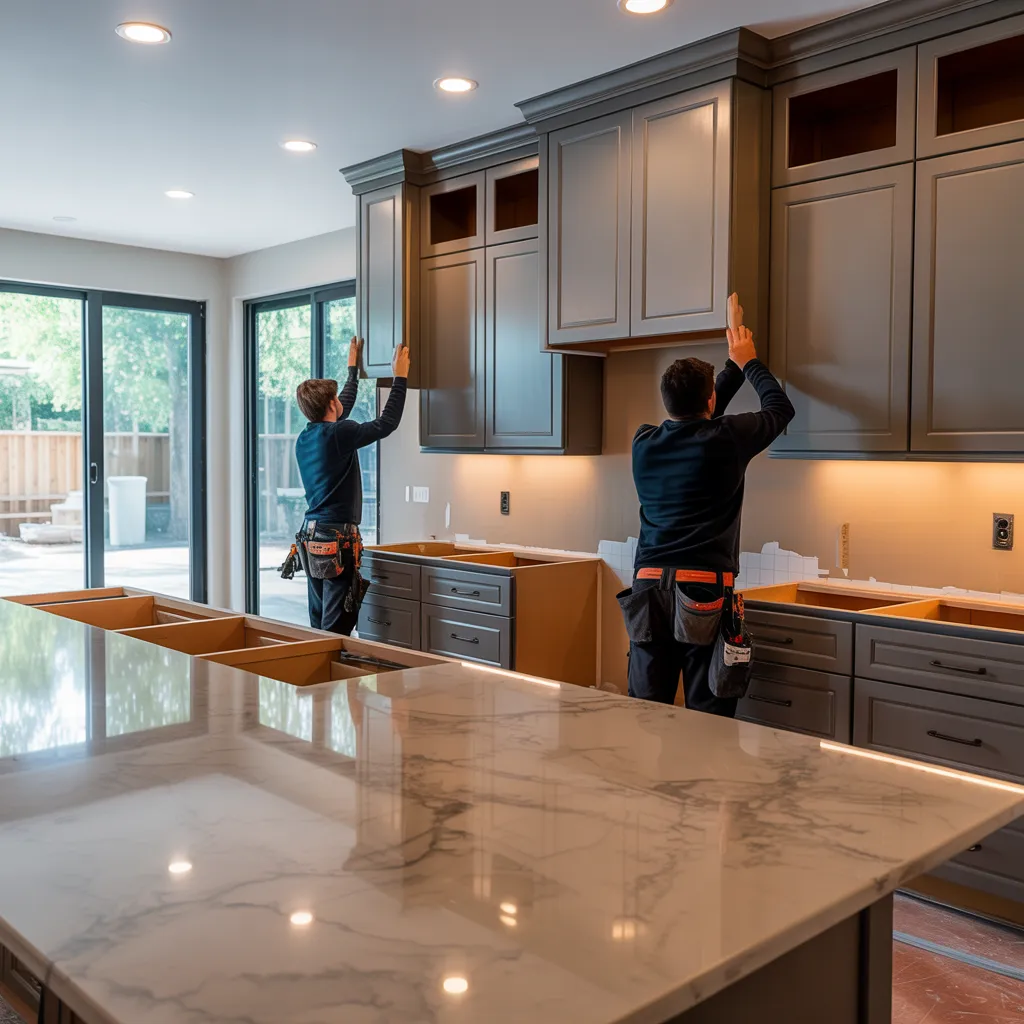
Home remodeling can significantly improve a residential area, but selecting the right contractor is crucial. A qualified professional can transform ideas into reality while reducing stress. However, many homeowners encounter difficulties in selecting the best fit. Comprehending the important elements of this procedure can result in a successful project. What steps should one take to guarantee an efficient and stylish makeover? The following insights will provide clarity and guidance for traversing this intricate undertaking.
Steps to Finding the Top Remodeling Contractor
When contemplating a home renovation, how does one locate the best builder for the job? The process starts with thorough research. Homeowners should seek suggestions from friends, family, or online reviews to compile a list of potential candidates. Once a shortlist is formed, it is essential to confirm each contractor's credentials, ensuring they are certified, insured, and have a good standing with local regulatory bodies.
Interviews serve as a key component in the contractor choice; homeowners should inquire regarding past projects, timelines, and references. Requesting detailed estimates helps clarify costs and scope. Additionally, communication style and rapport are important; a contractor should be friendly and communicative to concerns. are important; a contractor should be approachable and responsive to concerns.|Interviews are essential in the selection process; homeowners should request information on past projects, timelines, and references. Requesting thorough cost breakdowns helps clarify costs and scope. Additionally, how well you connect are important; a contractor should be approachable and responsive to concerns.|Interviews serve as a vital component in the hiring decision; homeowners should request information on past projects, timelines, and references. Requesting comprehensive quotes helps explain costs and scope. Additionally, how well you connect are vital; a contractor should be approachable and responsive to concerns.
Finally, examining contracts thoroughly can prevent misunderstandings. By putting these steps into practice, homeowners can boost their chances of selecting a remodeling contractor who meets their expectations and delivers quality work.
Dominate Your Renovation Spending Plan
A strategically designed renovation budget is critical for any successful home project. Developing a clear financial plan allows homeowners to establish their priorities and avoid overspending. Initially, it is vital to assess the overall scope of the project, including labor, materials, and additional costs such as permits or inspections.
Establishing a realistic budget requires examining pricing and obtaining multiple quotes from contractors. Homeowners should also allocate a reserve fund, generally 10-20% of the total budget, to cover unforeseen costs that may occur during the renovation process.
Tracking spending carefully throughout the project is vital. This method guarantees that the homeowner stays within budget and can make well-informed decisions as changes occur. Finally, clear dialogue with the contractor helps to match expectations and prevent misunderstandings, ultimately resulting in a smooth and successful remodeling experience.
Choose Materials That Improve Your Home's Style
When determining materials for home renovation, opting for classic designs can forge a enduring allure. Balancing color and texture strengthens the overall aesthetic, while emphasizing sustainable choices demonstrates a commitment to sustainability. Together, these components can greatly elevate a home's style and value.
Pick Eternal Finishes
Timeless products are vital to enhancing a home's aesthetic and sustaining lasting appeal. These finishes, such as natural stone, hardwood, and classic tile, build a solid foundation for any design scheme. They not only brave changing trends but also evoke a sense of sophistication and matching information warmth. When determining materials, homeowners should weigh durability and ease of maintenance, as these considerations affect the longevity of the finishes. Furthermore, choosing neutral color palettes grants adaptability, permitting future interior refreshes without the need to replace the finishes. By highlighting timeless decisions, homeowners can establish spaces that display elegance and charm, ultimately upgrading their living environment for years to come.
Equilibrate Color and Texture
Balancing color and texture is essential for creating a cohesive and inviting environment in any home. The selection of finishes can greatly influence the overall aesthetic. For instance, pairing supple textiles with sleek surfaces can provide visual contrast while enhancing comfort. Neutral tones often function as a versatile backdrop, enabling bolder accent colors to shine without overwhelming the space. Incorporating different tactile qualities, such as flat surfaces alongside glossy elements, introduces dimension and intrigue. Organic elements, like wood and stone, can introduce coziness, while metal details contribute a modern flair. Ultimately, the thoughtful blend of hue and tactile elements not only enhances the aesthetic but also expresses the homeowner's character, creating a balanced and peaceful home.
Emphasize Green Solutions
Opting for eco-friendly alternatives not just helps the environment but also enhances a home's aesthetic appeal. Homeowners more and more seek eco-conscious products that blend style with practicality. Bamboo flooring, for example, provides a modern, chic look while being a quickly renewable resource. Reclaimed wood can bring rustic charm and distinctive character, preserving history while reducing waste. Low-VOC paint options guarantee a healthier indoor atmosphere, contributing to a fashionable finish without compromising air quality. Additionally, energy-efficient appliances come in sleek designs that match contemporary aesthetics. By selecting these eco-friendly materials, homeowners not just enhance their living spaces but also make a positive impact to the planet, creating a harmonious blend of style and sustainability in their remodeling projects.
Main Questions to Raise to Your Home Improvement Contractor?
When starting a home renovation project, understanding the correct questions to pose a contractor can significantly influence the outcome. Homeowners should ask about the contractor's experience and past projects to gauge their expertise. Requesting references and reviews can provide insight into their reliability and standard of work. It is vital to discuss timelines and work schedules to ensure the project aligns with personal expectations. Homeowners should also clarify the scope of work, including permits and inspections, to avoid unforeseen delays or costs. Understanding payment structures and any potential additional expenses is essential for budget management. Furthermore, reviewing warranty options for materials and workmanship can safeguard against future issues. Finally, it's beneficial to ask about the crew's qualifications and safety protocols to guarantee a safe remodeling process. These questions help establish clear communication and set the stage for a successful remodeling experience.
Productive Conversation Recommendations for Your Home Renovation Project
Clear communication proves essential for the achievement of any renovation project. Setting clear guidelines from the beginning helps prevent misunderstandings and guarantees all parties remain aligned. Additionally, delivering consistent project communications keeps everyone informed and engaged throughout the process.
Define Clear Expectations
Clear expectations are essential for the success of any restoration project, as they foster effective correspondence between homeowners and contractors. Establishing a clear job scope is necessary; property purchasers should articulate their ideas while renovation specialists must outline reasonable project deadlines and budgets. This mutual understanding helps avert breakdowns and conflicts.
Homeowners should also express their preferences about materials, design elements, and any unique demands, making sure that contractors can execute as expected. Frequent meetings about priorities and potential challenges can also align both parties. It is essential for contractors to manage expectations by being forthright about what is practical within the agreed-upon constraints. By setting clear expectations from the outset, both homeowners and contractors can function effectively towards achieving the desired outcome.
Periodic Undertaking Information Releases
Regular progress reports play an essential role in maintaining alignment between homeowners and contractors throughout the remodeling process. Frequent contact guarantees that both parties are aware of progress, challenges, and any necessary adjustments to the timeline or budget. Contractors should establish a system for providing updates, whether through weekly meetings, emails, or phone calls. This not only keeps homeowners informed but also fosters trust and collaboration. Homeowners, in turn, should feel encouraged to ask questions or express concerns, creating a two-way dialogue. By prioritizing regular updates, both contractors and homeowners can navigate the challenges of remodeling projects more effectively, leading to a smoother process and ultimately, a more satisfying outcome. Clear communication is key to successful home renovations.
What Common Renovation Pitfalls Should You Avoid?
What pitfalls should homeowners be cautious about when starting a remodeling project? One typical mistake is undervaluing the costs. Homeowners often overlook costs related to permits, materials, and unexpected repairs. Additionally, neglecting to establish a clear timeline can result in delays and higher expenses.
Another common error is neglecting to communicate properly with construction professionals. Misunderstandings can arise if expectations are not explicitly outlined from the start. Property owners should also refrain from the urge to DIY projects beyond their skill level, as this can result in expensive errors.
Disregarding the significance of planning and design is another misstep. Rushing into decisions without a unified vision can lead to a fragmented final look. Finally, homeowners should be cautious of fads that may quickly become outdated, favoring classic design elements instead. By being aware of these pitfalls, homeowners can navigate their remodeling projects more successfully.
Complete Your Vision With Integrated Creative Tips
During the initiation of a renovation undertaking, homeowners should emphasize a cohesive design framework to ensure a harmonious outcome. Establishing a cohesive aesthetic not only enhances the visual appeal but also verifies that each element complements the others.
To achieve this, homeowners should opt for a consistent color palette that flows throughout the space, blending various shades to enhance depth. Selecting a specific style—be it modern, traditional, or eclectic—can influence selections for materials, furnishings, and decor.
Adding patterns and textures in a deliberate way can elevate design appeal without overloading the design. Homeowners should also evaluate focal points, such as a statement piece of furniture or art piece, to anchor the space.
Ultimately, preserving balance between performance and aesthetics is vital. By coordinating these aspects, homeowners can realize their vision, crafting a welcoming and fashionable living space suited to their needs.
Often Addressed Questions
What Licenses Must Be Secured for Home Remodeling Endeavors?
Home remodeling undertakings generally need licenses such as construction, electrical, plumbing, and HVAC permits, depending on the extent of the project. Municipal codes can differ, so contacting the building department in your area is essential for adherence to regulations.
What Length of Time Should You Expect for a Standard Remodeling Project?
A routine renovation job can take anywhere from a few weeks to several months, reliant on the breadth and intricacy. Factors such as design changes, material availability, and contractor skill level considerably shape the completion timeframe.
Is It Possible to Live in My Home During Construction Work?
Yes, one can live in a home during remodeling, but difficulties may occur. Noise, dust, and restricted entry to certain spaces can create inconvenience. Thorough planning and communication with contractors can help mitigate these problems successfully.
How Can I manage Surprising Costs During Renovation?
To handle unexpected costs during renovation, one should establish a contingency budget, focus on necessary costs, communicate openly with builders, and investigate payment plans. Flexibility and forward-thinking preparation can reduce financial stress throughout the remodeling project.
What Are the Current Directions in Residential Renovation Styles?
Contemporary trends in home remodeling stress open floor plans, sustainable materials, and biophilic design. Minimalist aesthetics, smart home technology, and multifunctional spaces likewise dominate, reflecting a yearning for both functionality and a connection to nature.